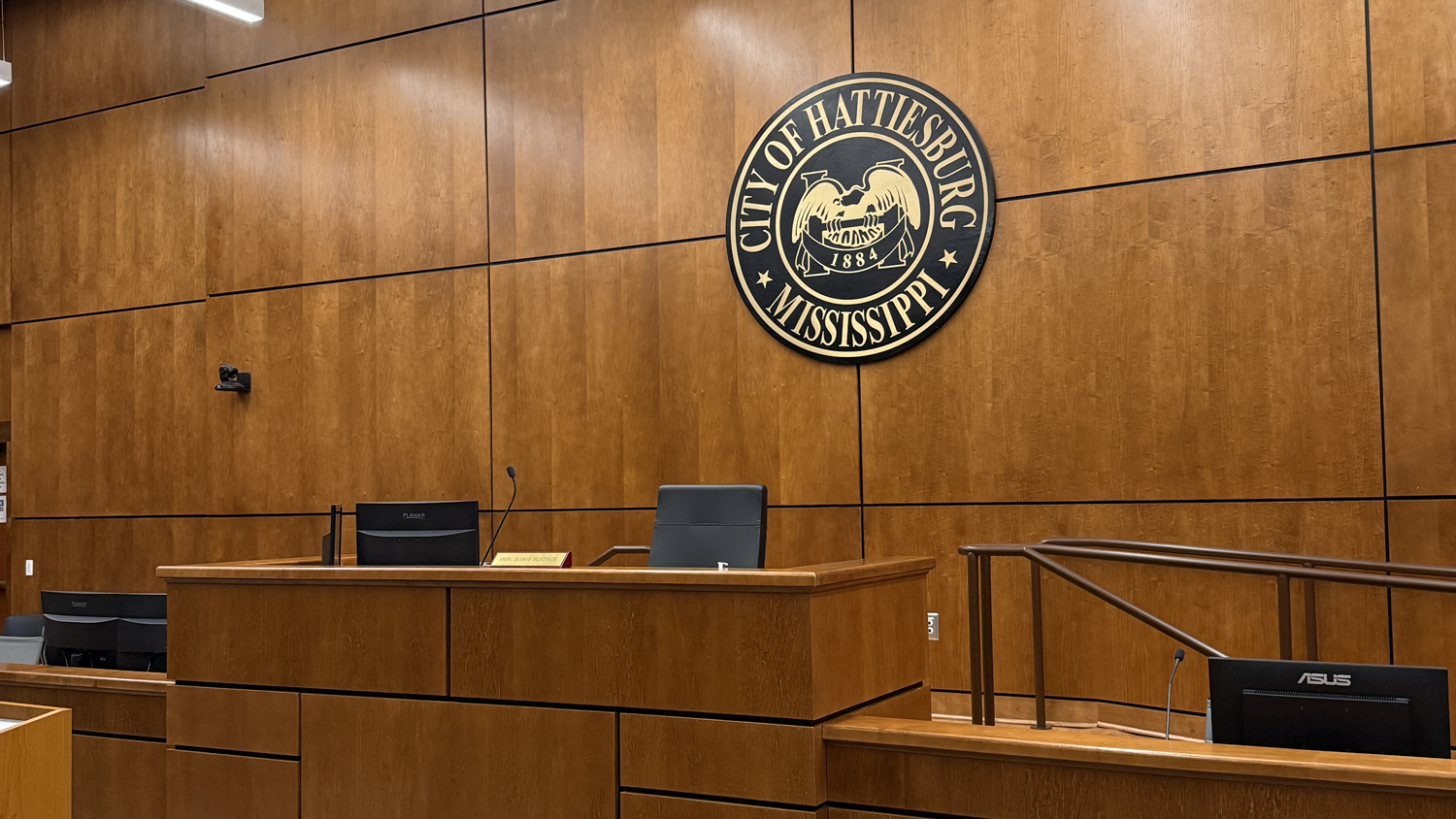
Hattiesburg, Mississippi — The City of Hattiesburg has been awarded a $361,612 federal grant from the Substance Abuse and Mental Health Services Administration (SAMHSA) to expand treatment and recovery services through Hattiesburg Municipal Court’s Behavioral Health Court program.
The funding will strengthen the city’s efforts to connect individuals facing misdemeanor charges with substance use and mental health treatment, providing an alternative approach that combines accountability with access to care and long-term recovery support.
“This investment gives us another opportunity to address the underlying challenges that often bring individuals into our court system,” said Mayor Toby Barker. “By expanding access to treatment and recovery services, we can help more people find stability, rebuild their lives and ultimately reduce the likelihood of future involvement with the justice system.”
The award represents the first year of a five-year project, with recommended funding totaling more than $1.8 million through September 2031. Future annual awards are subject to federal funding availability and satisfactory program progress.
Through a partnership with Pine Belt Mental Healthcare Resources, the program expects to serve approximately 40 participants each year, reaching 200 individuals over the five-year period. Participants will have access to individualized treatment plans, outpatient and residential treatment, psychiatric care, medication-assisted treatment when appropriate and peer recovery support. The program also will provide recovery housing assistance to eligible participants transitioning out of residential treatment.
“Behavioral Health Court is built on the understanding that accountability and treatment can work together to create better outcomes,” said Municipal Judge Brian Bledsoe. “This funding will allow us to build on that approach by connecting more participants with the resources and support they need to move forward.”
Pine Belt Mental Healthcare Resources will provide clinical and recovery support services, including access to recovery housing.
Established in 2010, Hattiesburg’s Behavioral Health Court has provided an alternative path for eligible individuals facing misdemeanor charges by connecting them with treatment, supervision and support services. This additional funding will build on more than 15 years of work to address behavioral health challenges, reduce repeat offenses and help participants achieve lasting recovery.
##